Solo Rust survival in 2026 when your base sits next to Oil Rig
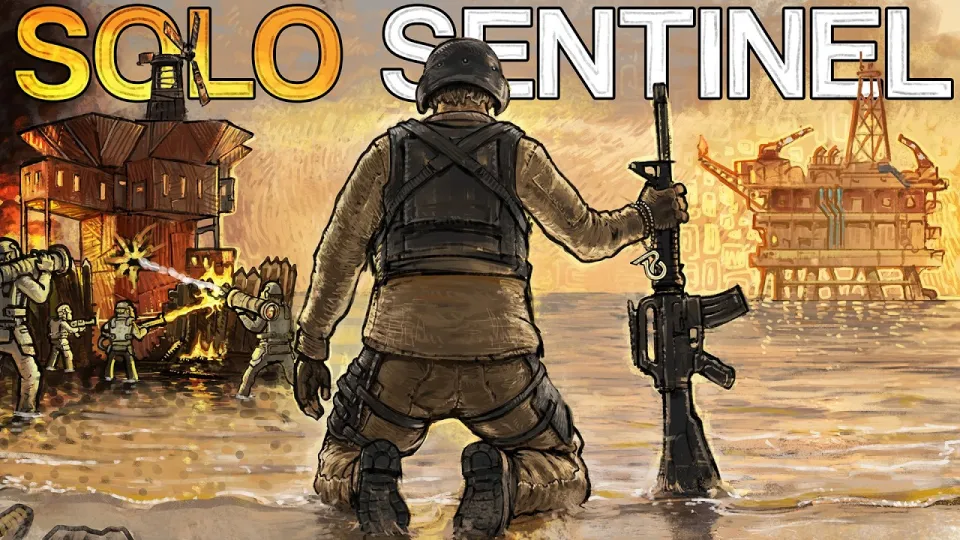
Video: The Solo Sentinel - Rust
Need articles like this for your video? They help promote it on YouTube and Google — order them in the Telegram bot @sat_sit_bot. The bot writes and publishes the articles itself (with your YouTube video embedded) on popular topical websites (no ads). Your first 50 articles are free.
· based on the channel Blooprint
Rust solo survival is about picking a spot that punishes bigger groups, and one of the most aggressive choices is building right next to the Oil Rig monument. In "The Solo Sentinel," Blooprint does exactly that: a lone player on a fresh wipe turns a high-traffic PvP monument into his personal farm and fortress, snowballs gear off the rig, and then holds the base when a rocket raid arrives. You can follow his live runs and streams on Twitch if you want to see the same approach in real time.
What makes an Oil Rig base work for a solo in Rust
Building next to Oil Rig is a bet that the monument's traffic will feed you more than it costs you. The rig is one of the richest monuments in Rust: elite crates, heavy scientist resistance and a constant stream of groups arriving by boat or helicopter. A solo cannot fight those groups head-on, so the play is geography.
- Place the base within swimming or short-boat distance of the rig so you can hit it on cooldown and extract fast.
- Keep the footprint small and vertical, with the loot behind multiple doors rather than in one big room.
- Use the water line as your escape route; most raiders expect a land approach and rarely watch the ocean floor.
- Stock turrets before you stock explosives, because a solo base is defended by automation, not by bodies.
- Seal every room with materials so a single breach does not expose the whole core.
The result is a base that looks modest from the outside but sits on top of a monument worth contesting, which is exactly the tension that drives the whole run.
How the solo snowball starts on a fresh wipe
A fresh-wipe solo run in Rust lives or dies in the first hour, and the Oil Rig neighborhood changes the math. Instead of grinding roads for scrap, the player can convert early primitive gear into monument loot if he times his visits between groups. The video follows that arc: primitive start, a first successful rig run, then a rapid jump into military-grade weapons and armor.
Key conditions that make the snowball possible:
- Timing rig visits right after a group leaves, when scientists are thinned out and crates respawn.
- Using the base as a respawn point close enough that death on the rig costs minutes, not the whole wipe.
- Banking scrap into blueprints early so the second and third rig runs produce usable gear instead of junk.
- Keeping a spare kit at base so a lost fight never resets progress to zero.
That loop is why solo monument camping can outpace a squad that spreads across the map, and it is the backbone of the story.
Base defense when the rockets show up
Late in the run, a raid lands on the base, and the defense is the centerpiece of the video. A solo cannot match a raiding group's firepower, so the win condition is cost: make every wall expensive, keep turrets covering the breach points, and force the attackers to expose themselves while they work.
What a solo defender should have ready before a raid:
- Turrets placed to cover the side the raiders least expect, ideally the water-facing wall.
- A secondary stash of gear outside the core so you can re-kit after dying inside.
- Doors that lead attackers into narrow angles where one defender can hold.
- Enough materials to repair mid-raid rather than watch the wall fall.
- A plan for when to stop defending and start rebuilding, because losing the base is not losing the wipe.
The raid in the video is a close fight rather than a clean win, and that is the honest version of solo Rust: the defense is judged by how much the attackers had to spend and how long they had to stay exposed.
Why solo Rust videos hit differently than squad content
Solo Rust content works because the creator has to explain everything. With no teammates on comms, every decision, from turret placement to whether to contest a crate, is spoken to the viewer, which turns a gameplay session into a narrated plan. That is the same reason a large share of the audience asks for more solo runs and fewer fast squad snowballs where a group reaches top-tier gear within twenty minutes.
Solo also produces better stories. A group wipe is a logistics problem; a solo wipe is a personal setback with a base, a stash and a rebuild attached. The genre has a long tradition of this format, from monument-focused runs to cave bases, and the appeal is the struggle rather than the loadout.
Common questions and doubts from solo players
Players watching a solo hold a base next to Oil Rig usually raise the same practical concerns, and they are worth answering directly.
- Isn't the rig too hot for a solo? It is, if you fight for it. The play is to arrive after the groups leave, farm the leftovers and never trade shots you cannot win.
- How do you keep a base from being offline raided? You do not prevent it; you make it unprofitable with turrets, layered doors and sealed loot rooms, and you keep a backup kit off-site.
- Is a small base better than a compound? For a solo, yes. A compact base with a tight core costs less to maintain and gives raiders fewer entry angles.
- What if the raid succeeds? Rebuild from the outside stash. The monument is still there, and the next rig run restores the kit.
Where to follow Blooprint and his Rust channels
All of Blooprint's platforms are listed here so you can pick the format you prefer, from live streams to short clips.
- Twitch: https://www.twitch.tv/blooprint
- Kick: https://kick.com/blooprint
- TikTok: https://www.tiktok.com/@blooprintgames
- Twitter: https://twitter.com/blooprintgames
- Discord: https://discord.gg/blooprint
Final thoughts on the Solo Sentinel run
"The Solo Sentinel" is a compact lesson in how a lone Rust player survives next to one of the map's most contested monuments: pick the ground, automate the defense, farm on cooldown and accept that some raids will be close losses. The video is a full solo story from a fresh wipe to a rocket raid, and it makes the case that solo Rust is the most readable format the game has. Blooprint is the author of this breakdown and the creator behind the run, and his live channel at twitch.tv/blooprint is where the next solo wipe usually starts.
Key takeaways
- Blooprint built a solo base directly next to the Oil Rig monument, turning a high-traffic PvP zone into his home turf.
- The run includes a fresh wipe start, snowballing gear from the monument, and defending the base against a rocket raid late at night.
- Solo Rust means every callout, upgrade and turret placement is narrated to the viewer, which is why solo videos build a tighter story than team content.
- Viewer feedback pushed for more solo content over fast T2/T3 squad progression, and Blooprint delivered a full solo movie.
- The base relied on turrets, sealed loot rooms and underwater approaches rather than a large group for protection.
Source: The Solo Sentinel - Rust · Markdown version
Questions & answers
Is it viable to build a solo base right next to Oil Rig in Rust?
Yes, if you treat the monument as a farm on a timer rather than a fight. Hit the rig right after groups leave, extract by water, and keep the base small with turrets covering the approach. The risk is constant traffic, so the base needs layered doors and a spare kit outside the core.
How does a solo player defend against a rocket raid?
By making the raid expensive rather than trying to win the firefight. Turrets on the least-watched wall, narrow angles behind doors, materials for repairs and a backup stash let you keep contesting after a death. Even a lost defense is a win if the attackers spend more than they take.
Why do viewers prefer solo Rust content over squad videos?
Solo runs are narrated to the audience, so the viewer hears every decision instead of team comms. The progression is slower and more relatable, with real setbacks, and the creator's personality carries the story rather than a group's momentum.
What should a solo player prioritize first on a fresh wipe near a monument?
Blueprints and a respawn point close to the monument come first, then turrets, then gear. A nearby base turns deaths into minutes lost instead of a reset, and banking scrap early means later monument runs produce usable weapons and armor.